
A study led by Innovate UK, involving multiple industry experts, is exploring marine-based alternative proteins as a substitute for fishmeal, aiming to improve gut health and growth performance in broiler chickens. The project aims to evaluate whether Artemia—a type of marine plankton—can serve as a sustainable solution to the current marine protein crisis, while optimizing poultry growth and reducing the carbon footprint across the food chain. The initiative is spearheaded by Aquanzo, in collaboration with Scotland’s Rural College (SRUC) and the UK Agri-Tech Centre.
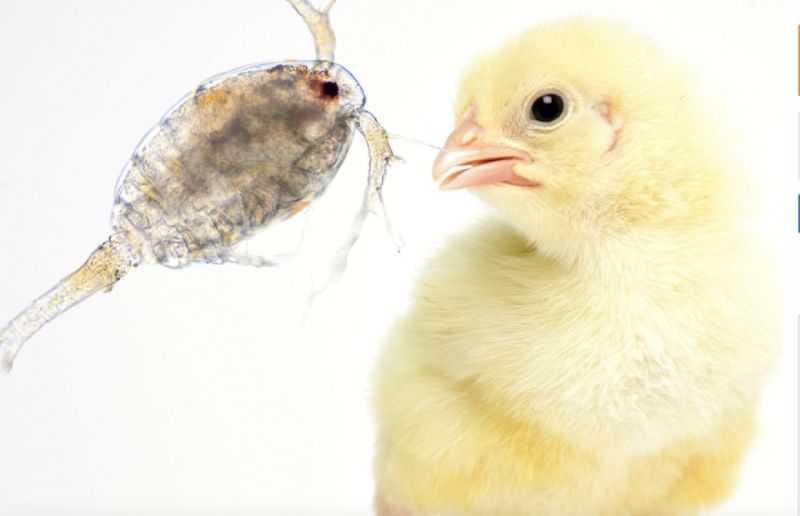
Marine-derived ingredients, such as fishmeal, have long been considered valuable nutritional sources for young animals, including chicks, weaned pigs, and aquaculture species. However, the exploitation of natural marine resources not only pressures ecosystems already affected by climate change but also contributes to greenhouse gas emissions due to the long-distance transport involved.
Meanwhile, the demand for livestock feed—particularly for poultry—has surged over recent decades, while marine raw material production has remained stagnant for nearly 40 years. This imbalance has led to soaring costs, making fishmeal an increasingly uneconomical option for the feed industry.
Rather than merely seeking substitutes, Aquanzo has taken a different approach: developing large-scale, land-based Artemia aquaculture technology. This sustainable production model enables the conversion of Artemia, a type of marine zooplankton, into an efficient marine protein suitable for animal feed production.

Farming Artemia provides a sustainable solution to overfishing and reliance on natural marine protein sources. This approach enables the production of feed with the same nutritional value as fishmeal, while minimizing its environmental impact. Additionally, the Artemia farming process utilizes agricultural by-products as feedstock, promoting a circular economy in the UK.
For feed manufacturers, Artemia represents a stable, high-quality, and customizable ingredient with a significantly lower carbon footprint than wild-caught marine protein. The ability to control quality and sustainability throughout the production process provides advantages that traditional protein sources cannot easily achieve.
Aquanzo has conducted a comprehensive life-cycle assessment of Artemeal products to improve the sustainability of its production process continually.
Knowledge transfer and outreach are key components of the project, supported through collaboration with expert advisory panels and stakeholders to ensure technical, environmental, and commercial alignment within the industry. Successful trials using Artemia as a fishmeal replacement in chick diets have opened new opportunities for the development of a sustainable animal feed sector.
Together with novel protein sources such as insect meal and single-cell protein, cultivated marine protein is expected to play a pivotal role in building a sustainable feed industry in the UK and beyond.
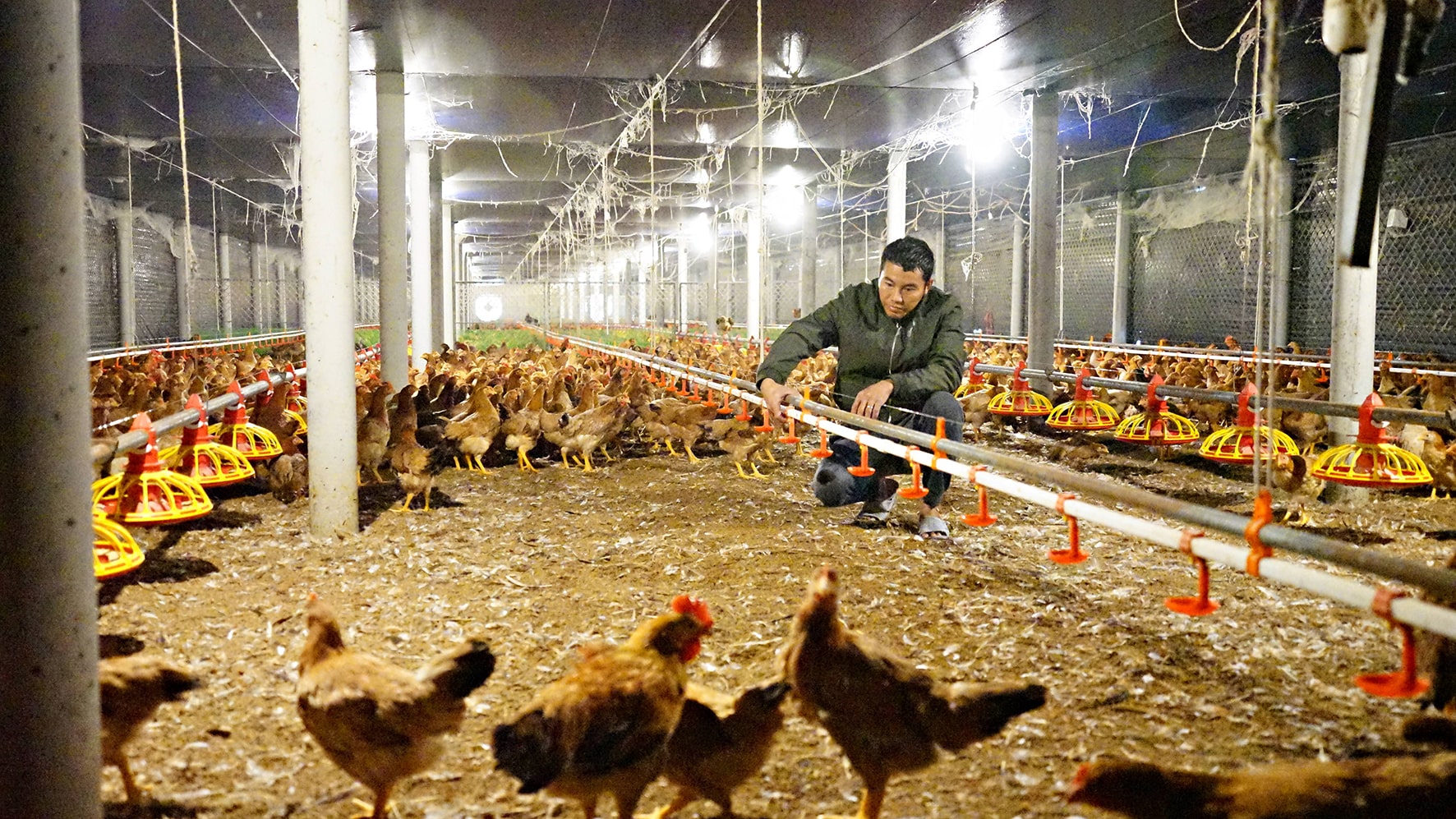
The project will establish a prototype Artemia production facility and a large-scale Artemia manufacturing process, alongside communication efforts, publications, and outreach targeting professionals and academic communities.
Cultivating marine-derived protein has the potential to revolutionize the feed industry by combining the nutritional value, flavour, and energy of marine ingredients with scalable, controllable, and sustainable agricultural production systems.
Aquanzo estimates that industrial-scale Artemeal production could reach several thousand tons per year. Within five years, this volume could supply more than 10% of the starter feed for chicks in the UK, supporting the growth of over 100 million chickens.
Aquanzo’s broader mission is to provide alternative protein solutions that do not harm the oceans, serving feed manufacturers, farmers, and consumers alike. This innovation promises to enhance livestock productivity and health while improving sustainability through the optimization of genetics, feed inputs, and Artemia cultivation systems.
According to researchers Jos Houdijk and Marwa Hussein at SRUC:
“Chicks fed with Artemeal outperformed those fed with fishmeal, achieving higher harvest weights. Moreover, Artemeal improved gut microbiota and immune system health, paving the way for the development of healthier and more sustainable poultry production.”