
According to the Food and Agriculture Organisation (FAO), climate-related disasters kill and displace millions of animals each year, with Asia being the most affected region. Vietnam, located in the path of frequent tropical storms and typhoons, suffers annual damage not only to crops but also to its livestock sector. For instance, during the 2020 floods in Central Vietnam, hundreds of thousands of poultry and thousands of cattle were reported lost, costing farmers millions of dollars. The impacts ripple beyond immediate economic losses, as destroyed herds affect food supply chains, nutrition levels, and community resilience.
This essay argues that protecting livestock during storms and floods is not simply an agricultural necessity but a socio-economic and public health imperative. Drawing on national guidelines, international frameworks, and case studies, it outlines preventive measures before storms, strategies during disasters, and recovery actions afterwards. It also emphasises policy frameworks, community participation, and future directions in sustainable livestock disaster management.
Floods, storms, and typhoons directly kill livestock through drowning, starvation, and exposure. Indirectly, they spread pathogens, destroy barns, contaminate water, and disrupt veterinary services. Unlike crops that may regrow in the following season, livestock losses take longer to recover because rebuilding herds requires breeding cycles, veterinary care, and financial investment.
In Southeast Asia, livestock accounts for 10–20% of agricultural GDP. Yet, the region is among the most vulnerable to climate-related disasters. For example:

Protecting livestock is not merely about saving animals; it is about safeguarding the livelihoods of those who depend on them for their survival. In many rural communities, cattle function as both a food source and a form of savings. Poultry provides daily income through eggs, while pigs contribute significantly to household cash flow. Losing animals in a storm can push entire households into poverty. Furthermore, unmanaged animal carcasses contribute to zoonotic diseases, threatening both animal and human health.
International organisations, such as the World Organisation for Animal Health (OIE) and the FAO, stress that disaster risk reduction in livestock systems is integral to global food security. Protecting animals means protecting lives, nutrition, and economic stability.
Farmers must stay informed about meteorological forecasts through various channels, including radio, television, and mobile applications. Early warnings provide critical hours or days to reinforce barns, move animals, and store feed. In Vietnam, the Ministry of Agriculture and Rural Development has collaborated with local authorities to disseminate early warnings directly to villages.
Barns must be designed to withstand heavy rainfall and strong winds. Essential actions include:
These measures reduce direct livestock mortality during storms.
Storms and floods often destroy natural grazing lands and contaminate water. Farmers are advised to store at least 15 days of feed and clean water. Options include:
Before storm season, comprehensive vaccination campaigns are necessary. Common diseases such as avian influenza, foot-and-mouth disease (FMD), African swine fever (ASF), and Newcastle disease spread rapidly after floods. Farmers should disinfect barns regularly using lime, Omnicide, or Virkon-S. Equipment, feeding tools, and footwear should also be disinfected to prevent the transmission of disease.
In flood-prone regions, households must develop evacuation plans for their livestock. Potential safe zones should be identified in advance, including higher ground or public shelters. Vehicles must be prepared to move animals without injury. Farmers should practice small-scale evacuation drills to minimise panic during real emergencies.
Evacuation is a challenging but often life-saving strategy. Animals must be transported in safe vehicles with adequate ventilation. Overcrowding must be avoided to reduce stress and injuries. Emergency feed and water should accompany the transported herd.
When barns are destroyed or flooded, temporary shelters such as tents, tarpaulins, or bamboo structures are built. Key requirements include:
During disasters, animals often suffer from hunger and dehydration. Farmers should:
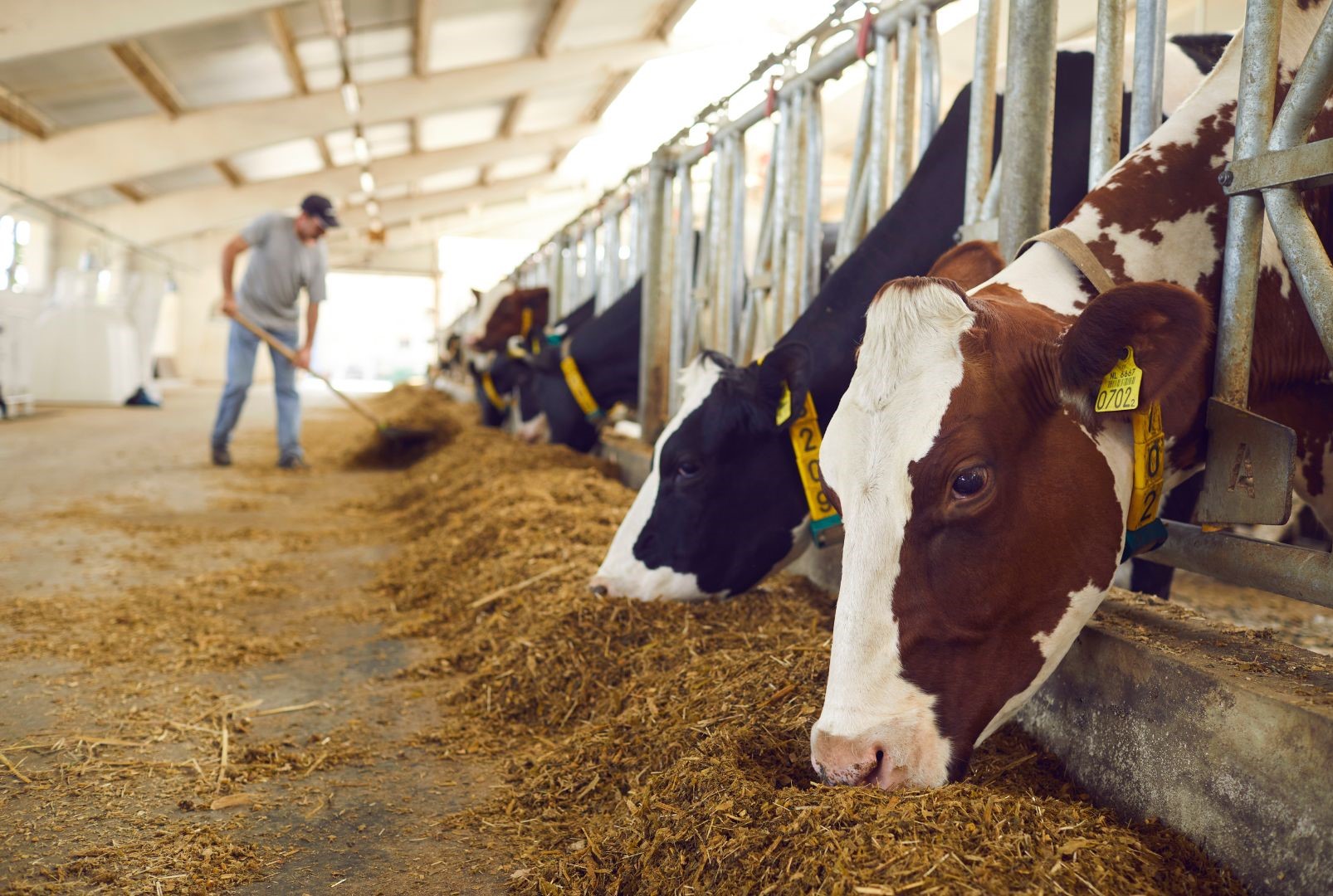
Animals under storm conditions experience stress, which can lead to reduced immunity and productivity. Farmers must handle animals gently, reduce noise, and prevent overcrowding. For newborn or weak animals, extra bedding and warmth are critical.
Once floodwaters recede, immediate sanitation is essential. Barns must be cleaned of mud and disinfected daily in the first week, followed by regular weekly disinfection. Lime should be spread on floors, alleys, and drainage systems to prevent clogs. Surrounding grass and ponds should be treated to kill pathogens.
Carcasses are a significant source of disease outbreaks. The safest disposal methods include:
After floods, infectious diseases spread rapidly. Farmers must monitor animals for signs of fever, diarrhea, respiratory distress, or unusual behaviour. Veterinary teams should conduct surveillance and enforce quarantine measures in the event of outbreaks.
Weakened animals require high-quality diets supplemented with protein, energy, and essential minerals to support their recovery and overall well-being. Special care is needed for young calves, piglets, and poultry chicks. Vitamins A, D, and E, along with electrolytes, help restore immunity.
To prevent epidemics such as ASF or avian influenza, disinfection and vaccination programs must be reintroduced. Farmers should avoid restocking immediately until barns and environments are declared safe by veterinary services.
Vietnam’s livestock disaster management policies focus on early warnings, veterinary support, and post-disaster aid. However, resource constraints often limit their effectiveness. Stronger collaboration between the government, local authorities, and farmers is necessary.
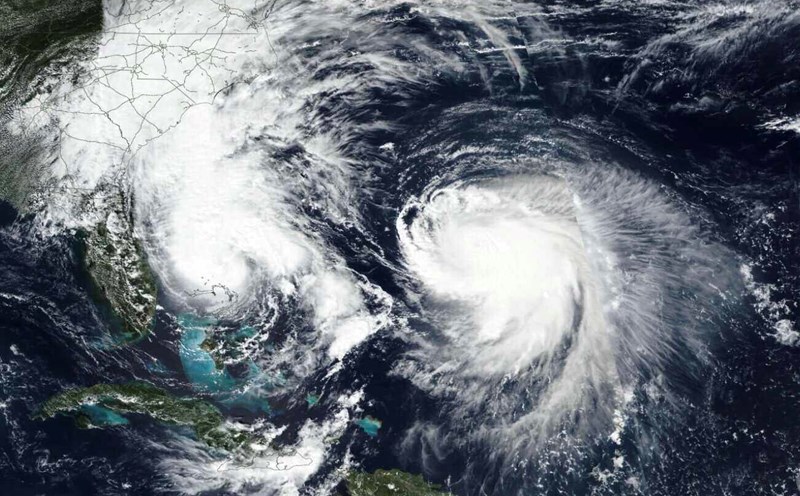
Farmer cooperatives and NGOs play an essential role. By pooling resources, communities can build shared shelters, stockpile food, and support one another during evacuation. Women, who often serve as primary caregivers of poultry and small ruminants, must be included in disaster planning.
As climate change intensifies storms, adaptation strategies must be mainstreamed. These include building climate-resilient barns, diversifying feed sources, and using early warning apps.
IoT sensors can monitor barn temperature and flood risks. Solar-powered feeders and water systems ensure continuity during blackouts. Geographic Information Systems (GIS) help identify flood-prone areas for livestock relocation.

Livestock insurance schemes, though limited, can provide financial safety nets for farmers. Governments and private insurers should expand coverage to areas prone to disasters, thereby enhancing the resilience of these regions.
Farmers require ongoing training in biosecurity, disaster preparedness, and animal welfare. Schools and universities can integrate livestock disaster management into agricultural curricula.
ASEAN countries, the FAO, and the OIE should strengthen cross-border collaboration, as disease and disaster impacts often transcend national boundaries. Shared knowledge, funding, and emergency veterinary teams can enhance resilience.
Protecting livestock during storms and floods is not only about saving animals, but also about safeguarding livelihoods, ensuring food security, and maintaining public health. Preparedness before storms—through monitoring, vaccination, and barn reinforcement—reduces risks associated with these events. During disasters, safe evacuation, temporary shelters, and animal welfare are crucial—afterwards, sanitation, disease control, and nutritional rehabilitation support recovery.
Vietnam’s experience, alongside global case studies, shows that proactive measures, strong community involvement, and supportive policy frameworks are vital. Looking ahead, integrating climate change adaptation, technology, and financial instruments will ensure sustainability. Ultimately, safeguarding livestock means safeguarding lives, strengthening resilience, and promoting a sustainable agricultural future in an era of increasing climate uncertainty.