
Poultry are highly sensitive to changes in their environment. Poor ventilation, excessive humidity, temperature fluctuations, overcrowding, contaminated drinking water, or inadequate sanitation can increase stress and create favorable conditions for disease development.
For this reason, poultry health management should begin with prevention rather than waiting for clinical signs to appear. Regularly monitoring the flock allows farmers to identify changes at an early stage and take appropriate measures before problems become widespread.
Important indicators to observe include feed and water intake, activity level, body weight, feather condition, respiratory signs, fecal characteristics, mortality rate, and, in laying birds, egg production and egg quality.
Good farm hygiene plays a fundamental role in reducing the introduction and spread of pathogens. Poultry houses should be kept clean, dry, and adequately ventilated. Equipment, feeders, drinkers, and frequently contacted surfaces should be cleaned and disinfected according to an appropriate farm sanitation program.
Biosecurity measures are equally important. Limiting unnecessary visitors, controlling the movement of people and equipment between poultry houses, maintaining appropriate pest and rodent control, and separating healthy birds from potentially infected animals can help reduce the risk of disease transmission.
A balanced diet provides poultry with the nutrients required for growth, immune function, reproduction, and overall physiological performance. Feed quality should be monitored carefully, particularly regarding contamination, storage conditions, and freshness.
Clean and safe drinking water is equally essential. Water systems should be inspected and maintained regularly because contaminated or poorly managed water can become an important source of microbial exposure.
Vaccination is an important component of poultry disease prevention programs. However, vaccination should be considered as part of an integrated health management strategy rather than as a replacement for good hygiene, biosecurity, nutrition, and environmental management.
Farmers should work with veterinarians or qualified animal health professionals to develop vaccination and disease-control programs appropriate for the species, production system, and local disease risks.
Early recognition of abnormal signs is also essential. Reduced appetite, lethargy, ruffled feathers, coughing or respiratory difficulty, abnormal droppings, reduced growth, increased mortality, or a decline in egg production may indicate an underlying health problem and should be investigated promptly.
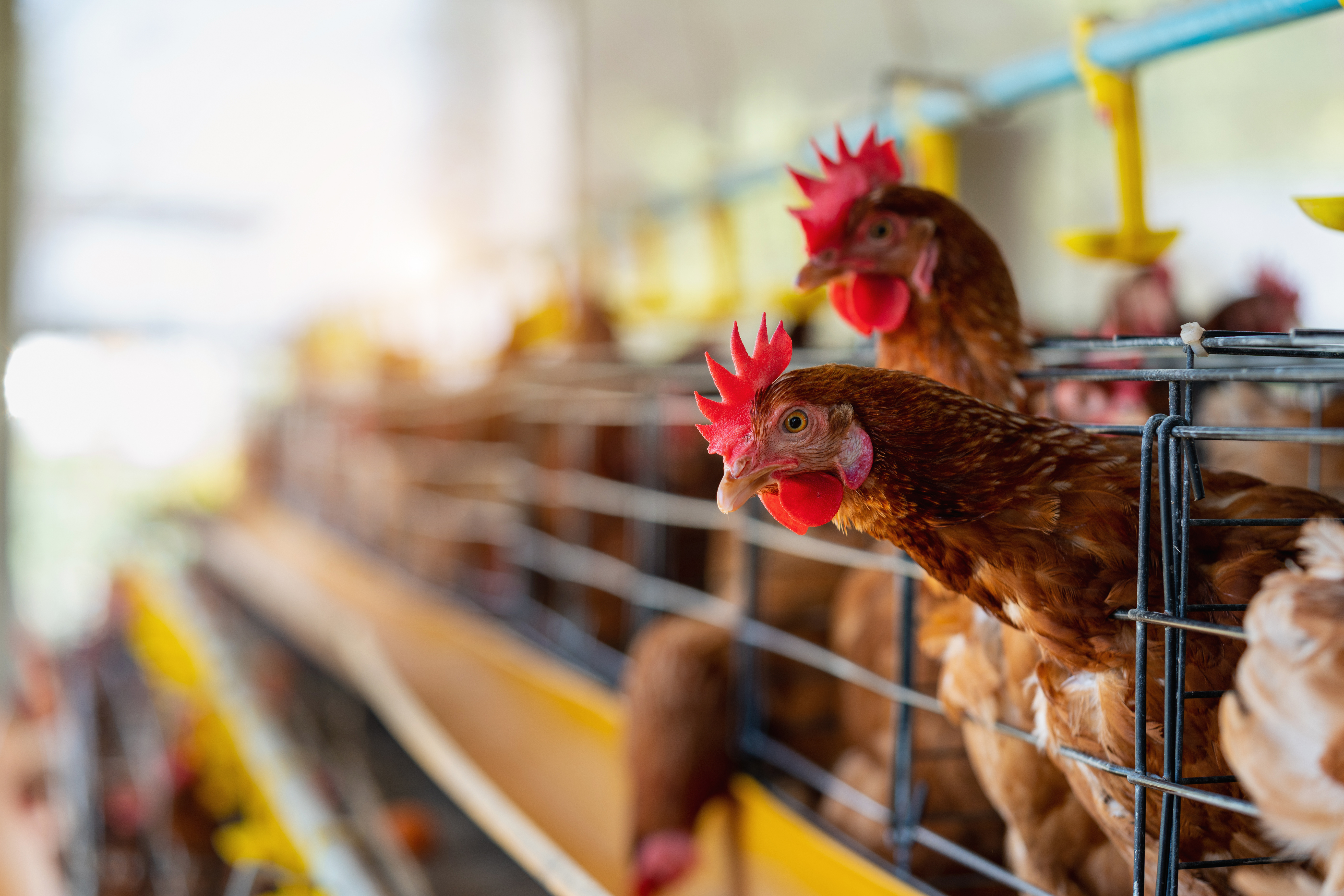
Effective poultry health management is a continuous process. By combining appropriate nutrition, clean water, good housing, strict hygiene, biosecurity, vaccination, and regular flock monitoring, farmers can create better conditions for poultry to grow and perform efficiently.
At SANFOVET, we believe that protecting animal health begins with proactive care and responsible farm management. By supporting healthier poultry and promoting sound disease-prevention practices, we aim to contribute to safer, more efficient, and sustainable poultry production.
SANFOVET – Supporting farmers in protecting poultry health and building healthier flocks.